Free Shipping on ALL orders over $25 in the USA

UTIs After 40: Hormonal Changes, Recurrent Infections, and 36mg PAC Defense
Have Your UTIs Increased Since Turning 40? You’re Not Alone.
If you’ve noticed that urinary tract infections (UTIs) have become more frequent, stubborn, or simply started appearing around your late 40s or 50s, it is not a coincidence. This shift is one of the less-discussed realities of entering perimenopause and menopause.
For women in this stage of life, recurrent UTIs are common, frustrating, and often linked directly to hormonal changes.
The good news? The solution isn't always another round of antibiotics. Modern science points to a proactive, natural defense that directly addresses this increased risk: a clinically proven 36mg Proanthycianicins (PAC) dose of cranberry extract.
Here is why your bladder health is changing at mid-life and how a targeted daily defense like CranCap 36mg PAC can help you reclaim comfort and confidence.

1. The Mid-Life Shift: Why Hormones Change Your Urinary Tract
The key to understanding your new UTI susceptibility lies in a decline in estrogen. As women transition through perimenopause and menopause, lower estrogen levels affect every part of the genitourinary system, including the vagina and the urethra.
The Three Main Changes That Increase UTI Risk:
-
Vaginal pH Changes: Estrogen helps support the growth of healthy Lactobacilli bacteria in the vagina. These "good" bacteria keep the vaginal pH low (acidic), which naturally blocks UTI-causing bacteria like E. coli from multiplying. When estrogen drops, the pH rises, allowing bad bacteria to flourish and migrate to the urethra more easily.
-
Tissue Thinning (Atrophy): The delicate tissue lining the urethra and bladder neck relies on estrogen to stay plump, strong, and moist. Without it, the tissue thins, becoming more prone to irritation, inflammation, and easier for bacteria to colonize.
-
Pelvic Floor Changes: Hormonal shifts can weaken the pelvic floor muscles, which can impact bladder emptying. When the bladder doesn't empty completely, any lingering urine provides a breeding ground for bacteria.
These factors combine to create a perfect storm, making women over 40 the most susceptible demographic for recurrent UTIs.
2. Fighting E. coli Where It Starts: The Anti-Adhesion Mechanism
The vast majority of UTIs are caused by the E. coli bacteria. To cause an infection, E. coli must first physically adhere (or stick) to the walls of your urinary tract.
This is where the power of PACs comes in.
Proanthocyanidins (PACs) are the active compounds found in cranberries. Unlike antibiotics, which kill bacteria indiscriminately, PACs work as a natural anti-adhesion agent. They bind to the fimbriae (tiny hair-like projections) on the E. coli bacteria, preventing them from gripping the urinary tract walls.
Denied the ability to stick, the bacteria are simply washed away when you urinate. This is a crucial difference, especially for women in mid-life.
Antibiotics: Kill everything, including the good bacteria your menopausal body needs to fight infection.
PACs: Target the adhesion mechanism of the bad bacteria without disrupting the delicate vaginal or gut microbiome.
3. The Evidence-Based Solution: Why You Need 36mg PAC
When urologists and researchers discuss cranberry for prevention, they always specify a dose: 36mg of PACs.
This isn't a marketing gimmick, it’s the minimum daily dose proven in clinical trials to ensure enough PAC reaches the urinary tract to provide the necessary anti-adhesion activity.
Don’t Fall for the "Cranberry" Myth
Most cranberry juices and generic pills contain very little effective PAC content. They may list a high number of "cranberry milligrams," but without the 36mg PAC guarantee, they are often ineffective for recurrent UTIs.
The only way to ensure efficacy is to look for a product that verifies its dose using the scientifically validated DMAC/A2 method, which measures the specific, bioavailable A-Type PACs required to stop E. coli.
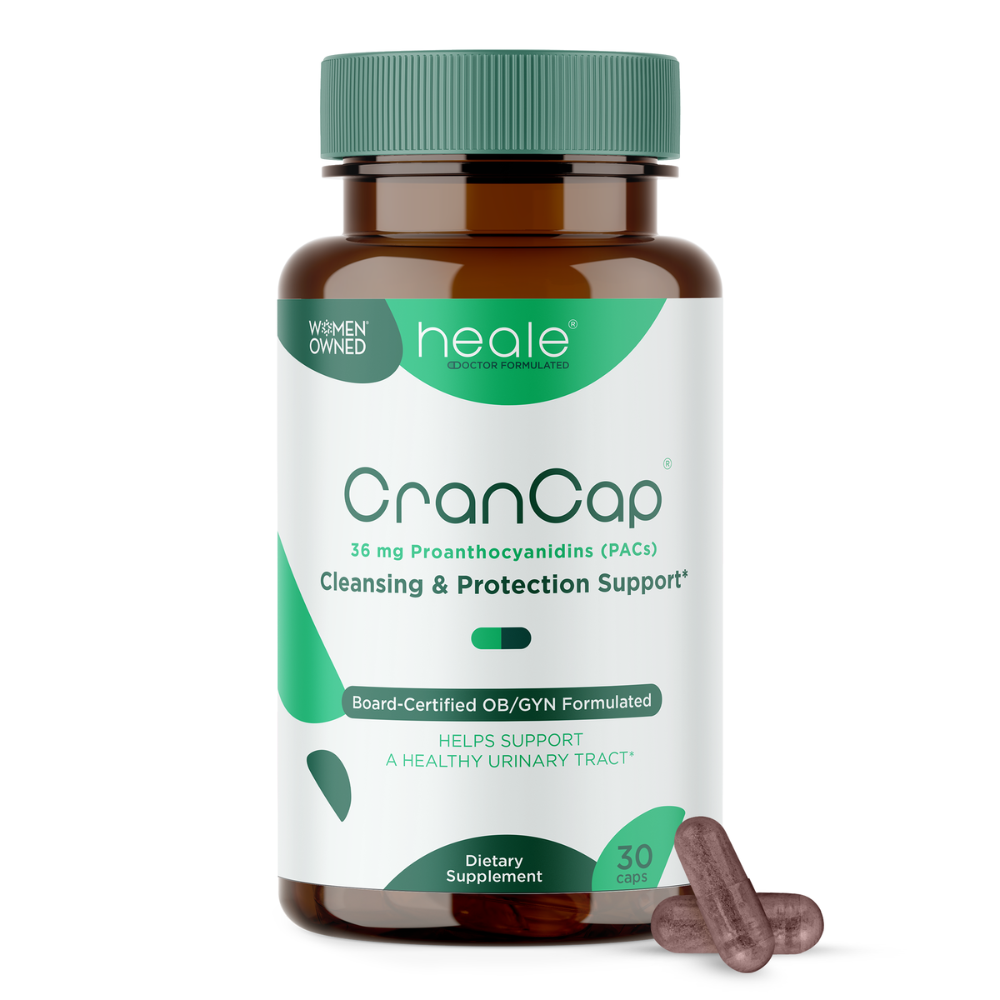
CranCap: Your Daily, Guaranteed 36mg PAC Defense
Our CranCap 36mg PAC product is specifically formulated to meet this clinical standard. By providing the exact dosage proven to work, CranCap offers a reliable, long-term line of defense that works with your body, not against it.
For women experiencing increased UTI risk due to hormonal changes, a daily supplement that guarantees 36mg PAC is the most effective proactive step you can take to manage your urinary health without relying on the antibiotic cycle.
Your Proactive Mid-Life Urinary Health Checklist
Managing UTIs after 40 requires a multi-faceted approach. Make sure you are combining your daily CranCap 36mg PAC dose with these essential habits.
-
Stay Hydrated: Drink plenty of water (at least 1.5–2 liters per day) to ensure frequent flushing of the urinary tract.
-
Don’t Hold It: Urinate as soon as you feel the urge and always empty your bladder completely.
-
Address Hormones: Speak with your doctor or gynecologist about whether localized vaginal estrogen therapy might be appropriate to support urinary tissue health.
Ready for Reliable, Science-Backed Prevention?
Stop guessing and start protecting yourself with the dose urologists recommend. CranCap 36mg PAC gives you the confidence of a clinically validated, non-antibiotic solution for recurrent UTIs.
Click here to shop CranCap and start your 36mg PAC daily defense today!

This website provides general educational information. It is not intended to be, and should not be used as, a substitute for medical treatment by a health care professional. We are not making a diagnosis of your condition or a recommendation about the course of treatment for your particular circumstances. You should never disregard or delay seeking medical advice because of what you have read on this website.
©2025 Copyright. All rights reserved